

![Slots like Rainbow Riches [2024]](https://www.slotslike.co.uk/wp-content/uploads/2020/10/rainbow-riches-bonus-feature.png)
Having reviewed the UK’s online slot world for some time, I keep observing a jarring gap. On one side, you have games like rainbow riches, built with a cheerful leprechaun and the appeal of pots of gold to lure players in. On the other, there’s the real harm gambling can do to bank accounts, relationships, and peace of mind. My aim isn’t to just single out a popular game. It’s to present a straightforward guide that links the experience of playing slots—with Rainbow Riches as a common example—to the actual, free support networks that exist here. Recognizing a problem isn’t a weakness. It’s the critical first move in regaining control, and the right help is probably much easier to locate than you imagine.
Spotting the Signs of Problematic Slot Play
The toughest step can be taking an truthful look at your individual habits. Slots including Rainbow Riches are built to make you continue. They utilize ‘near misses’ and constant, tiny wins to hide the reality you’re gradually losing money. The red flags can be hard to miss at first. Ask yourself a few direct questions. Do you often spend extra hours or cash on Rainbow Riches than you intended? Are your mind constantly returning to the game, plotting your next session or ways to win back losses? Maybe you’ve tried to stop and found you couldn’t. Pursuing losses is a key red flag—that unyielding idea that the next spin will fix everything. So is continuing to play despite the fallout: arguments at home, unpaid bills, or using money earmarked for groceries or rent. If you feel agitated or uneasy when you’re not playing, that’s another clue. Identifying these behaviors isn’t about pointing fingers at yourself. It’s a practical first step, like noticing symptoms before you see a doctor.
Exploring UK-Based Professional Counselling Services
Professional support is the foundation of recovery. The UK has numerous committed, free services available to assist. The NHS provides a straightforward route. Your GP is a private first port of call and can refer you to professional talking therapies. Cognitive Behavioural Therapy (CBT) has a strong track record for treating gambling problems. For urgent, expert help, call the National Gambling Helpline, run by GamCare. It’s open 24 hours a day, seven days a week. Their advisors give effective, non-judgmental guidance and can refer you into their own free counselling programme, which offers sessions face-to-face, over the phone, or online. Another crucial organisation is Gordon Moody, a charity providing comprehensive residential treatment for people with serious gambling addiction. Their structured approach has helped many restore a stable life. Reaching out to these services is discreet. The counsellors are trained to understand the specific tricks of games like Rainbow Riches. Nothing you say will shock them. They offer a secure place to work through the root causes—whether that’s stress, loneliness, or past hurt—that the gambling was trying to cover up.
What You Can Anticipate in a Counselling Session
If you’ve never been to counselling, the uncertainty can be daunting. Let’s walk through it. Your introductory session will mainly be an assessment. The counsellor will ask about your gambling past, your history with games like Rainbow Riches, how it’s affected you financially and emotionally, and what you want to achieve. This isn’t a grilling. It’s how they figure out the best way to help you. Later sessions focus on developing strategies. You’ll probably work with Cognitive Behavioural Therapy methods. You’ll learn to catch the unhelpful thoughts that feed gambling—like “I’m owed a win” or “This spin will turn it all around”—and counter them with rational factual checks. You’ll also develop effective behavioural tools. This could mean setting up new routines to fill the time you used to spend gambling, or making a plan to manage your money. The counsellor is there to guide you, not to give orders. It’s a team effort, focused on building your own skills for the long haul, well past the lure of any single slot game.
The distinct psychology underlying Rainbow Riches’ attraction
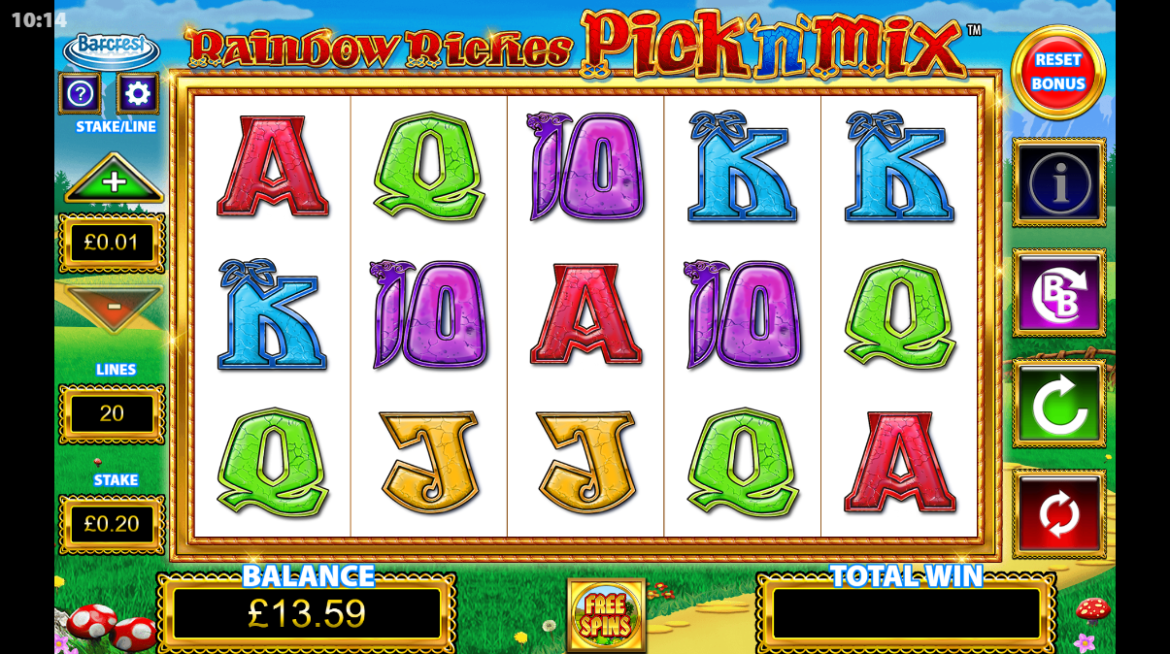
To recognize how harm can happen, you need to unpack what makes this slot so sticky. Rainbow Riches functions on more than luck. It’s a behavioral hook built on clever rewards. The bright Irish theme and upbeat music establish a friendly tone that disarms you. Its bonus rounds—the Road to Riches, Wishing Well, Pots of Gold—mislead you into sensing a sense of skill and choice. But the real hook is the steady stream of small wins. These little dopamine hits maintain your interest and betting, blurring the steady disappearance of your cash. The ‘gamble’ feature entices you to risk a win for the chance of more, a classic pitfall. It’s this blend of flashy sights and sounds, paired with frequent minor rewards, that can lull you into a trance. Time and money melt away without you noticing. Knowing how the game is constructed isn’t about calling it evil. It’s about giving you the power to understand how it pulls you in.
Key Triggers Inside the Game Mechanics
Certain features act as direct triggers. The ‘instant win’ in bonuses offers a random, immediate reward that’s highly compelling. Cascading reels in newer versions render the action feel non-stop, with spins flowing into one another. Then there’s the ‘Big Bet’ option. This enables you to stake more to unlock guaranteed bonus rounds, directly fueling the urge to chase and providing a fake fast track to the game’s peak excitement. For someone at risk, these aren’t just fun extras. They’re deliberate pushes that can overrule sensible choices. Looking at player discussions and conduct, a clear pattern emerges. The shift from casual play to trouble often starts with relying on these ‘big bet’ shortcuts and obsessively hunting for bonus rounds, which can exhaust a bankroll fast. Understanding that your craving to ‘just hit the bonus’ is a core part of the game’s design can be a moment of real insight.
First Steps: Self-Exclusion and Tangible Hurdles
When you realize there’s a problem, taking definitive steps straight away is key. My top suggestion is always to use the self-exclusion tools on any UK Gambling Commission licensed site, including those with Rainbow Riches. This isn’t a passive hope. It’s a strong shield you build between yourself and the game. Register for GAMSTOP, the national online self-exclusion program. This free service will stop you entering all UK-licensed gambling websites for a timeframe you select, from six months right up to five years. At the same time, deploy blocking software like Gamban on every device you possess—your phone, tablet, and computer. This app blocks gambling sites at the device level, adding a vital second layer of protection. Also, have a hard look at your funds. Call your bank and ask about their gambling block functions, which can stop payments to betting companies. These moves aren’t giving up. They’re shrewd approaches. They acknowledge the strength of the urge and use technology to back up your resolve while you look for longer-term support.
Group Support and Support Groups for Recovery
Professional counselling handles the psychological side, but community support offers something else priceless: empathy from people who’ve been there. Throughout the UK, Gamblers Anonymous (GA) organizes meetings both face-to-face and virtually. Stepping into a GA session involves connecting with people who know the same shame, the same failed attempts to quit, and the same triggers from fast slots like Rainbow Riches. There’s a special relief in recounting your story without fear of judgment, because all others have gone through it too. The 12-step program offers a structured recovery journey based on ownership and shared support. GamCare also manages its own free support groups, virtually and in regional communities. These typically center on exchanging coping strategies in a atmosphere that can feel a bit more informal than GA. Judging from recovery accounts I have encountered, people who blend professional counseling with regular peer group meetings often improve more over time. The collective shatters the isolation addiction creates, proving to you that you are not battling this by yourself.
Financial and Legal Injury Mitigation Strategies
Gambling addiction leaves a financial chaos that requires direct attention. The stress of debt can also become a catalyst to gamble additional, pushing you into a deeper cycle. Commence by obtaining a complete, accurate view of all you owe. Agencies like StepChange Debt Charity and National Debtline deliver complimentary, discreet guidance to everyone in the UK. They can help you arrange a workable repayment plan, talk to creditors on your behalf, and at times get debts forgiven. They’re accustomed to gambling-related debt and do not scold you. On the legal side, you certainly have some safeguards. If you were gambling while you plainly lacked control (a core part of gambling disorder), you can reach the betting company to seek for your losses back. You would assert they failed their social responsibility to protect you. This is a complex area, but specialists at GamCare can assist you through the steps. Another alternative is to request a trusted family member to take short-term control of your finances, using a bank tool like a Third Party Mandate. This is never about surrendering independence for good. It’s about establishing a breathing space for your finances to recover while you recover as well.
Establishing a Sustainable, Gambling-Free Lifestyle
Remaining gamble-free in the long run involves building a life where the urge fades. That requires deliberate work. Begin by naming your triggers. Is it empty time, certain friends, specific feelings, or even viewing a betting ad? Once you understand them, you can devise different reactions. If boredom was your trigger, search for new interests. The UK is full of walking groups, night classes, and local volunteer projects. Physical activity is a powerful, natural mood booster. Make efforts to mend relationships hurt by your gambling. Honest conversations and making amends are key to this; groups like GamCare sometimes give family therapy to help. Critically, you need to bridge the gap that gambling occupied. For a lot of people, it was a way to cope with stress, worry, or feeling low about themselves. Through counselling and your new skills, you can cultivate healthier ways to cope. Try mindfulness, writing things down, or making something with your hands. Go easy on yourself. Slip-ups can happen. They’re part of the journey for many, not a sign you’ve failed. Work for progress, not perfection. Every day you choose a different path, you reinforce a new sense of who you are, far removed from the Rainbow Riches reels.